Endodontist

in Cranbrook

Enter Now

Root Canal Therapy & Advanced Tooth Preservation Treatments

Severe tooth pain, sensitivity to hot or cold, or swelling around a tooth may be signs that the inner pulp of your tooth is infected. Endodontic treatment — often called root canal therapy — is designed to save your natural teeth and relieve this type of deep dental pain. At our Cranbrook dental clinic, we offer expert endodontic care to help preserve your smile and restore your comfort with minimal discomfort and maximum success.

Dr. Akbar Khaiat brings 40 years’ experience in non-surgical and surgical root canal treatment, aimed at saving teeth that would otherwise be considered too difficult to save. He graduated from the University of Tehran school of dental medicine. He then entered a post graduate program at the university of Boston. Mass, and received MS and specialist certificate degrees in Endodontics in 1977. He has published more than 45 articles, contributed and presented lectures in international conferences. He currently serves as a clinical associate professor at UBC instructing Endodontics.
More Info

What Is Endodontics?

Endodontics is a dental specialty focused on the diagnosis and treatment of issues related to the tooth pulp and tissues surrounding the root. This includes procedures like:

● Root canal therapy
● Retreatment of failed root canals
● Treatment of traumatic dental injuries
● Apicoectomy (root-end surgery)

An endodontist is a dentist with advanced training in these procedures. While general dentists can often perform standard root canals, more complex cases benefit from seeing a provider with specialized equipment, techniques, and experience.

Signs You May Need Endodontic Treatment

You may need endodontic therapy if you are experiencing:

● Sharp or persistent tooth pain
● Prolonged sensitivity to heat or cold
● Swelling or tenderness in the gums
● Darkening or discoloration of a tooth
● A recurring pimple on the gums (possible abscess)
● Trauma to a tooth (fracture or displacement)

In many cases, endodontic treatment can help you avoid extraction and keep your natural teeth healthy and functional for many years.
Tooth Extraction

Root Canal Therapy: What to Expect

Root canal therapy is a safe, effective way to treat infected or inflamed pulp tissue and prevent further damage. Here's how the process works:
trusted dentist

1. Consultation and X-rays

We begin with an evaluation and digital imaging to assess the health of the tooth, root, and surrounding tissues.
Dentist - cleaning and routine check up

2. Numbing and Isolation

The area is thoroughly numbed with local anesthesia. A rubber dam is placed around the tooth to keep it dry and clean during treatment.
Dental Implants

3. Cleaning the Canals

Using specialized tools, the infected pulp is removed, and the root canals are cleaned, shaped, and disinfected.
cosmetic dentistry

4. Sealing the Tooth

The empty canals are filled with a biocompatible material to prevent reinfection. A temporary or permanent filling is placed to close the access point.
restorative dentistry smile

5. Final Restoration

In most cases, a crown is recommended to protect the treated tooth and restore its full function and appearance.

Is Root Canal Treatment Painful?

Contrary to popular belief, root canal therapy is typically no more uncomfortable than getting a filling. Modern techniques and anesthetics make the procedure smooth and manageable. Most patients experience relief from pain, not more of it.

After treatment, some sensitivity or soreness may occur but usually resolves within a few days.

Benefits of Seeing an Endodontic Provider

While general dentists can perform many root canals, complex or high-risk cases are best handled by someone with specialty training. Our clinic provides:

● Access to a board certified endodontist, or root canal specialist, Dr. Akbar Khaiat
● Microscopic precision tools for narrow or curved canals
● Continuation of root canals deemed too complex for regular practitioners
● Retreatment of previously failed root canals
● Expertise in root-end surgery (apicoectomy)

Preserving your natural teeth is always the top priority — and the success rate for modern endodontic care is very high when treatment is done properly.

What Is an Apicoectomy?

An apicoectomy is a minor surgical procedure that removes the tip of the root and surrounding infected tissue when a standard root canal isn't enough. It’s often performed when:

● A root canal has failed and retreatment isn’t possible
● There is a persistent cyst or abscess at the root tip
● A canal is blocked or too narrow to treat through the crown

This is typically done under local anesthesia with minimal downtime, and it can help save a tooth that would otherwise be lost.

Aftercare and Healing from Endodontic Procedures

We provide detailed post-op instructions depending on the procedure, but general guidelines include:

● Taking prescribed pain relievers or antibiotics if needed
● Avoiding hard or chewy foods for a few days
● Brushing and flossing carefully around the treated area
● Attending your follow-up appointment for restoration (e.g., crown placement)

Full healing and comfort usually return within a few days, although a final crown is often placed 1–2 weeks later, or after you have been cleared by your dental professional.

When to Consider Tooth Extraction Instead

While we aim to save teeth whenever possible, extraction may be the better option if:

● The tooth has fractured below the gumline
● There's extensive decay beyond restoration
● Bone support around the tooth is severely compromised
● Multiple previous root canals have failed

We’ll walk you through all options and help you make the most informed decision based on prognosis, cost, and overall health.

Why Patients Choose Our Cranbrook Clinic for Root Canal Treatment

Specialized Endodontic Techniques: Precision care for complex cases
Comfort-First Experience: Thorough numbing, gentle procedures, and clear explanations
Experienced Team: Collaborative care between general dentists and specialists
Advanced Diagnostics: Digital X-rays for accurate treatment planning
Long-Term Focus: We help you preserve your natural teeth wherever possible

Frequently Asked Questions

Most root canal procedures are completed in 1.5 - 2 hours, but complex cases may require a second appointment.
In most cases, yes — especially for molars. A crown helps protect the tooth and restore full chewing strength.
It varies depending on the tooth and procedure complexity. We provide estimates and help you navigate insurance or CDCP coverage.
Yes, root canals are generally included in the Canadian Dental Care Plan (CDCP) if you're eligible. We can help confirm your coverage.
Yes — absolutely. We provide the same high standard of care to all patients, regardless of coverage or payment method.

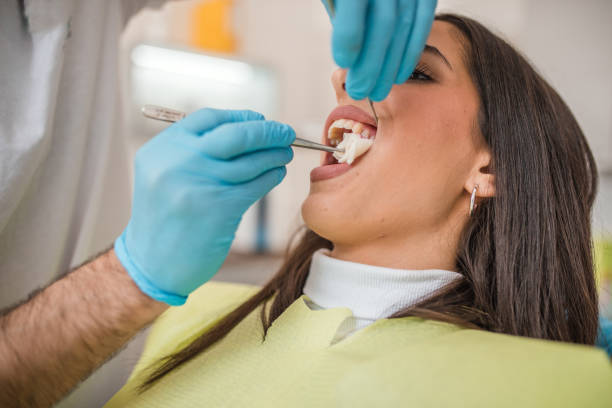
Book an Endodontic Consultation in Cranbrook

Tooth pain shouldn’t wait. If you're experiencing symptoms of infection or were told you might need a root canal, we’re here to help. Our skilled team offers compassionate, expert care with a focus on saving your natural smile.

Call today or book online to schedule your endodontic consultation at our Cranbrook dental office.
More Info
Monday
8:30am to 5:00pm
Tuesday
8:30am to 8:00pm
Wednesday
8:30am to 8:00pm
Thursday
8:30 AM – 5:00 PM
Friday
8:30am to 5:00pm
Saturday
8:30 AM – 4:30 PM (Closed on Holiday weekends)
Sunday
Closed
Copyright © 2024 Peak Family Dental. All Rights Reserved.
Top chevron-down linkedin facebook pinterest youtube rss twitter instagram facebook-blank rss-blank linkedin-blank pinterest youtube twitter instagram