
Tooth loss is far more common than most people think, and the ripple effects go beyond appearance. According to the Canadian Institute for Health Information (CIHI) (2025), about 1 in 5 Canadians report avoiding dental care due to cost, which can accelerate decay, gum disease, and eventual tooth loss. If you are exploring dentures in Cranbrook, 2026 is an especially good time to do it because materials, digital denture workflows, and implant-retained options have improved comfort and fit while reducing remake rates in many clinics.
This guide breaks down partial dentures vs full dentures, what “implant dentures” actually mean, realistic denture cost Canada ranges, and practical denture care tips you can use immediately. You will also learn what to ask a cranbrook denture clinic, how timelines typically work, and how to avoid the most expensive mistakes.
Dentures restore chewing, speech, and facial support, but their biggest value is often metabolic and medical. When chewing efficiency drops, people tend to shift toward softer, more processed foods, which can impact blood sugar control and cardiovascular risk factors over time. Poor oral function also correlates with lower protein intake in older adults, which is linked to frailty and falls.
From a clinical perspective, well-fitting dentures reduce irritation and inflammation, while poorly fitting dentures can contribute to chronic sore spots and fungal overgrowth. The World Health Organization (WHO) (2025) continues to emphasize oral health as integral to overall health, highlighting that oral diseases affect roughly 3.5 billion people globally. In practical terms, replacing missing teeth helps you maintain a more varied diet and reduces day-to-day discomfort.
A common Cranbrook patient story is someone who “manages” by chewing on one side for years. That pattern can overload remaining teeth, speed up wear, and lead to fractures. In many cases, an early partial denture can protect the remaining teeth and reduce the need for extractions later.
The best denture type is the one that matches your anatomy, budget, lifestyle, and long-term plan. Most people choose between full dentures, partial dentures, and implant-retained dentures. Your provider should also discuss immediate dentures (placed right after extractions) versus conventional dentures (made after healing).
Partials are often a strong choice when you still have several healthy teeth because they can be less invasive and more cost-effective than replacing an entire arch. Full dentures can be life-changing, but lower full dentures can be harder to stabilize due to tongue movement and reduced surface area.
Implant dentures use dental implants as anchors. For many patients, 2 implants can stabilize a lower denture (often called an overdenture), while 4 or more may be used for greater support depending on bone, bite forces, and goals. The main benefits are improved retention, less movement, and better chewing efficiency. In some cases, combining implant-supported dentures with orthodontic treatment can help improve alignment and overall oral function.
In 2026, implant planning is increasingly guided by digital CBCT imaging and surgical guides, improving predictability and helping align implant placement with the final tooth position. The caveat is that implant dentures require higher upfront costs and ongoing maintenance of attachments.
Costs vary widely because dentures are not a single product. They are a combination of clinical time, lab fabrication, materials, and follow-up care. Fees also differ by province, complexity, and whether extractions, relines, or implants are involved.
Benchmark cost ranges are best interpreted as planning numbers. According to the Canadian Dental Association (CDA) (2026), fees vary significantly by region and treatment complexity, and patients should request written estimates that separate professional fees from lab fees.
| Option | Typical 2026 range (Canada) | Best for | Key trade-off |
|---|---|---|---|
| Basic acrylic full denture (one arch) | $1,200 to $2,800 | Replacing all teeth in one arch on a budget | May need more adjustments; aesthetics and durability vary by material |
| Premium full denture (one arch) | $2,500 to $4,500 | Higher aesthetic expectations, stronger materials | Higher upfront cost |
| Partial denture (acrylic or cast metal) | $1,000 to $3,500 | Missing multiple teeth with healthy remaining teeth | Requires maintenance of anchor teeth and clasps |
| Immediate denture + healing relines | $2,000 to $5,500 (per arch, bundled varies) | Need teeth right after extractions | Expect relines, fit changes during healing |
| Implant-retained lower overdenture (2 implants) | $7,000 to $15,000+ | Lower denture instability, high function needs | Surgery required; attachment maintenance |
Coverage depends on private insurance, employer benefits, and provincial programs. Health Canada (2025) reported early results from national dental-care expansion showing millions of Canadians newly eligible for publicly supported dental coverage as rollout progressed. If you are eligible, ask how dentures and extractions are handled, what documentation is required, and whether pre-authorization is needed.
Modern dentures are increasingly “digitally assisted,” but the fundamentals remain: impressions, bite records, try-ins, delivery, and adjustments. What has changed in 2026 is the rise of digital scanning, better milling and printing options, and improved communication between clinics and dental labs.
Digital design can improve repeatability, speed up remakes, and enable better arch symmetry. It does not eliminate the need for clinical skill or follow-ups. A denture that looks perfect on a screen can still cause sore spots if borders or bite are slightly off.
In 2026, the American Dental Association (ADA) (2025) noted growing adoption of digital workflows across dentistry, including prosthodontics, largely driven by efficiency and patient expectations. The best outcomes still come from careful records, a clear trial stage, and proactive adjustments.
Most denture failures are not “bad dentures.” They are dentures that did not get the right daily routine, night routine, and periodic professional maintenance. The key is protecting the acrylic from warping, preventing plaque buildup, and keeping your oral tissues healthy.
Adhesive can be helpful, especially early on, but it should not be the solution for a denture that is fundamentally loose. If you are using adhesive daily just to function, you likely need an adjustment, reline, or a discussion about implant retention. In some cases, underlying tooth or root issues may also require evaluation by a certified endodontist as part of a comprehensive treatment plan.
Call promptly if you have persistent ulcers, cracking at the corners of the mouth, burning sensations, or white patches. According to the Public Health Agency of Canada (PHAC) (2026), oral infections and chronic inflammation remain common preventable drivers of urgent dental visits, especially among older adults and medically complex patients.
Small missteps early can create chronic discomfort. In practice, many “I can’t wear my dentures” cases are solvable with better expectations, a structured adjustment schedule, and timely relines.
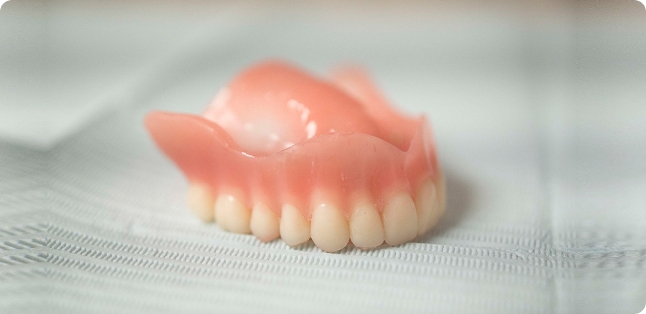
Dentures are evolving quickly, and patients in 2026 are benefiting from better design tools and a stronger emphasis on function, not just appearance. Three major shifts are shaping decision-making for dentures in Cranbrook right now: digitally designed prosthetics, mainstream implant stabilization, and more transparency in pricing and outcomes. Maintaining long-term oral health through consistent habits and regular checkups also remains essential, which is why many patients continue following family dental health tips for healthy smiles alongside their restorative treatment plan.
Clinics are increasingly able to store digital records, which can shorten the path to a replacement denture after loss or fracture. This is especially helpful for snowbirds, shift workers, and anyone who cannot attend multiple long visits.
Evidence continues to support implant-retained overdentures for lower jaw stability in appropriate candidates. The International Team for Implantology (ITI) (2026) reported that implant overdentures remain a high-satisfaction solution for edentulous patients, particularly where lower denture movement limits diet and confidence.
In 2026, more denture patients are managing diabetes, cardiovascular disease, osteoporosis, and blood thinners. This affects extraction planning, healing timelines, and implant eligibility. A good cranbrook denture clinic will coordinate with your physician when indicated and will document medication-related considerations before procedures.
Fit and comfort come from process quality, not marketing. You want a clinic that explains options in plain language, provides transparent estimates, and has a clear plan for follow-up care. The goal is fewer surprises and fewer remakes.
Choosing dentures is both a health decision and a quality-of-life decision. The best outcomes come from matching the right appliance to your anatomy, setting realistic expectations for the adjustment period, and committing to ongoing maintenance.
If you are evaluating dentures in Cranbrook, Peak Family Dental can help you compare options, understand timelines, and choose a plan that fits your health needs and budget. Book a denture consultation and bring your questions, your medication list, and any previous dentures so we can accelerate your path to a comfortable fit.
What are the best dentures in Cranbrook for first-time wearers?
Most first-time wearers do best with a well-planned conventional denture or a partial denture that preserves healthy teeth. Comfort depends more on records, bite accuracy, and follow-up adjustments than on any single brand of teeth. Ask for a try-in and a clearly defined adjustment schedule.
How much do dentures cost in Canada in 2026?
Typical ranges vary by province and complexity, but many full dentures per arch fall roughly between $1,200 and $4,500, with implant-retained options often $7,000 to $15,000+ depending on implant count and components. Request a written estimate that separates professional fees, lab fees, and follow-ups. This is the fastest way to compare apples to apples.
Partial dentures vs full dentures: how do I choose?
Choose partial dentures if you have enough strong teeth to support clasps and you want to preserve natural biting sensation where possible. Full dentures are appropriate when remaining teeth are not predictable long-term or when restoring an entire arch is more stable and maintainable. A clinical exam is essential because gum and bone support heavily influence success.
How long does it take to get dentures made?
Conventional dentures often take several appointments over 2 to 6 weeks, depending on scheduling and lab turnaround. Immediate dentures can be delivered the day of extractions, but you should plan on multiple adjustments and a reline during healing. Implant overdentures usually add months due to surgical healing and integration time.
Can I sleep with my dentures in?
Many patients are advised to remove dentures at night to rest tissues and reduce fungal risk, unless your clinician gives a specific medical reason to wear them. If you must wear them overnight temporarily, clean them thoroughly and schedule extra follow-ups. Persistent redness or burning is a sign you should be seen.
What should I do if my dentures rub and cause sores?
Stop “pushing through” pain and book an adjustment, because small pressure spots can turn into ulcers. Avoid self-grinding the denture at home, which often worsens fit. Rinse with salt water for comfort and bring the denture to your appointment.
Do denture adhesives damage gums?
Used correctly, adhesives are generally safe, but they should not be used to compensate for a poorly fitting denture long-term. If you need adhesive daily for basic function, you likely need a reline or a fit correction. Clean adhesive off the gums daily to reduce irritation.
Are implant dentures worth it in Cranbrook?
For many people with unstable lower dentures, implant-retained overdentures provide a meaningful improvement in comfort and chewing. They cost more upfront and require attachment maintenance, but satisfaction is often higher when instability is the main issue. A CBCT assessment helps determine whether you have adequate bone or need grafting.
When should dentures be relined or replaced?
Relines are commonly needed after extractions and can also be needed after weight changes or ongoing bone remodeling. Many dentures last several years, but replacement timing depends on wear, cracks, bite changes, and hygiene. Annual checkups help catch problems before they become fractures or chronic soreness.
Can I get dentures if I have diabetes or take blood thinners?
Often yes, but treatment planning must account for healing capacity and bleeding risk. Your clinic may coordinate with your physician and adjust timing, medications, or surgical approach. The safest path is full disclosure of all medications and recent A1C or relevant lab information.